Losing a close family member is one of the most difficult experiences a person can go through. Along with the emotional grief, families are often suddenly faced with financial responsibilities, legal matters, and important decisions regarding the deceased person’s assets. In many cases, the most valuable asset left behind is the family home.
Whether the home will eventually be sold, transferred to heirs, rented out, or kept within the family, protecting the property immediately after a loved one’s death is extremely important. Taking the right steps early can help preserve the home’s value and prevent unnecessary financial losses during an already stressful time.
Read more: How to Protect The Value of a Relative’s NJ Home After Death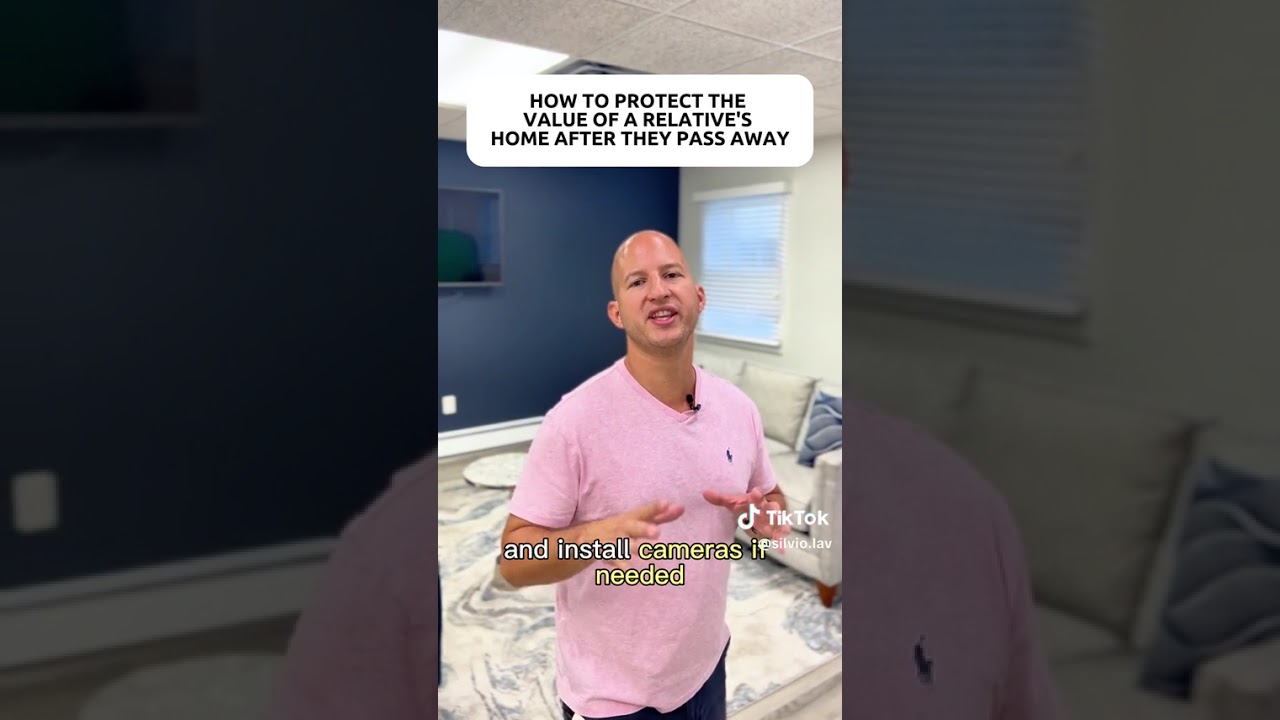
Unfortunately, expenses do not stop after someone passes away. Mortgage payments, property taxes, insurance premiums, utility bills, and maintenance costs can quickly add up. If these responsibilities are neglected, the property can lose value, become vulnerable to damage or theft, or even face foreclosure or municipal fines.
Here are four important ways to protect a loved one’s home after they pass away.
- Stay Current on Mortgage Payments, Property Taxes, and Insurance
One of the biggest mistakes families make after a loved one passes away is assuming that financial obligations on the property are automatically paused. In reality, mortgage lenders, municipalities, and insurance companies still expect payments to continue.
Missing mortgage payments can quickly lead to late fees, default notices, and eventually foreclosure proceedings. Unpaid property taxes can result in tax liens, penalties, and additional legal complications. Allowing homeowner’s insurance to lapse can create serious financial exposure if the property suffers damage from fire, storms, vandalism, or other unexpected events.
Even if the estate is still going through probate, it is critical to keep these payments current whenever possible. Maintaining the financial obligations tied to the property helps preserve the home’s value and gives the family more time to decide on the best long-term solution.
If there are concerns about affordability, families should speak with the mortgage servicer, estate attorney, or financial advisor immediately to discuss available options.
- Update the Homeowner’s Insurance Policy
Many homeowners do not realize that a standard homeowner’s insurance policy may not fully cover a property after the owner passes away, especially if the home becomes vacant.
Vacant homes are generally considered higher risk by insurance companies because they are more susceptible to vandalism, water leaks, theft, frozen pipes, and unnoticed damage. Some insurance policies may limit or deny coverage if the property sits vacant for an extended period without proper notification to the insurer.
It is important to contact the insurance company as soon as possible to explain the situation and determine whether changes to the policy are needed. In some cases, the insurer may recommend vacant home insurance or an updated policy that properly protects the property during probate or transition.
Failing to update the insurance coverage can leave the estate financially exposed to major repair costs if something happens to the home.
3. Secure the Property Immediately
An unoccupied home can quickly become a target for theft, trespassing, vandalism, or even squatting. Securing the property should be one of the first priorities after a loved one passes away.
Changing the locks is highly recommended, especially if multiple people previously had access to the home. All windows and doors should be checked to ensure they are properly locked and secure. Families should also consider installing security cameras, motion lights, or alarm systems to help monitor the property and deter criminal activity.
Mail and newspapers should not be allowed to pile up, as this can signal that the home is vacant. If possible, having someone regularly visit the property can help identify maintenance issues early and make the home appear occupied.
Taking proactive security measures can help prevent costly damage, theft, and legal issues while preserving the property’s condition and value.
4. Maintain the Property and Exterior Appearance
Even if the home is temporarily vacant, it is important to continue maintaining the property. Overgrown grass, accumulated garbage, peeling paint, or neglected landscaping can quickly make a property look abandoned.
Poor exterior maintenance can lead to municipal code violations, fines, complaints from neighbors, and declining curb appeal. In some neighborhoods, neglected properties may also attract vandalism or trespassers.
Basic upkeep such as mowing the lawn, removing snow, cleaning the exterior, and maintaining landscaping can make a major difference in preserving the property’s value. Regular maintenance also helps protect against larger issues that could become expensive repairs later.
If the family does not live nearby, hiring a landscaping or property management company may be a worthwhile investment to keep the home in good condition until a final decision is made regarding the property.
Final Thoughts
The period following the loss of a loved one can be emotionally overwhelming, but protecting the family home during this time is extremely important. A home is often one of the largest assets in an estate, and neglecting it can quickly lead to financial losses, legal complications, and unnecessary stress.
By staying current on mortgage payments and taxes, updating insurance coverage, securing the property, and maintaining the home’s appearance, families can preserve the value of the property while they determine the next steps.
Whether the goal is to sell the home, transfer ownership, or keep it within the family, taking these proactive measures can help protect both the property and the financial interests of the estate.
If you recently inherited a property and aren’t sure what to do next, I can help you understand your options without pressure or obligation. Whether the home needs repairs, is going through probate, or you simply want a quick sale, I will walk you through the process honestly and transparently.
"*" indicates required fields