Blog

  • How to Protect The Value of a Relative’s NJ Home After Death

    Losing a close family member is one of the most difficult experiences a person can go through. Along with the emotional grief, families are often suddenly faced with financial responsibilities, legal matters, and important decisions regarding the deceased person’s assets. In many cases, the most valuable asset left behind is the family home.

    Whether the home will eventually be sold, transferred to heirs, rented out, or kept within the family, protecting the property immediately after a loved one’s death is extremely important. Taking the right steps early can help preserve the home’s value and prevent unnecessary financial losses during an already stressful time.

    Read more: How to Protect The Value of a Relative’s NJ Home After Death
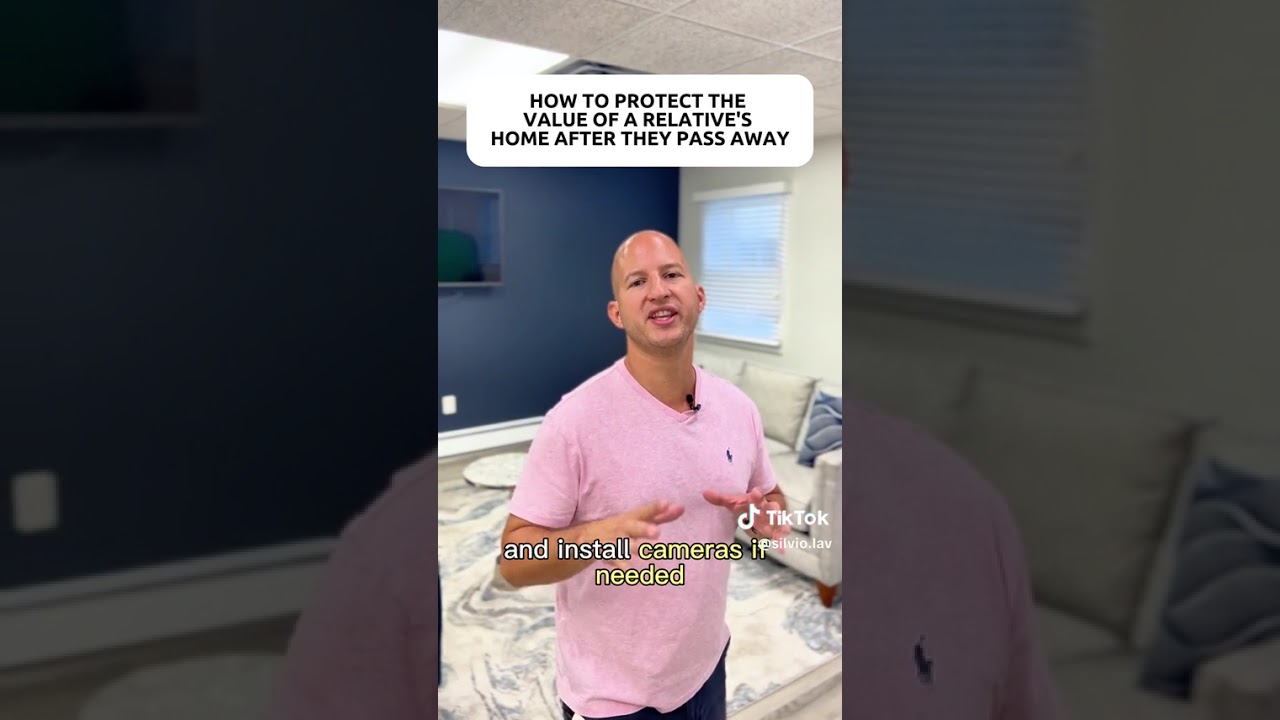
    How to Protect the Value of a Relative's home after they pass away.

    Unfortunately, expenses do not stop after someone passes away. Mortgage payments, property taxes, insurance premiums, utility bills, and maintenance costs can quickly add up. If these responsibilities are neglected, the property can lose value, become vulnerable to damage or theft, or even face foreclosure or municipal fines.

    Here are four important ways to protect a loved one’s home after they pass away.

    1. Stay Current on Mortgage Payments, Property Taxes, and Insurance

    One of the biggest mistakes families make after a loved one passes away is assuming that financial obligations on the property are automatically paused. In reality, mortgage lenders, municipalities, and insurance companies still expect payments to continue.

    Missing mortgage payments can quickly lead to late fees, default notices, and eventually foreclosure proceedings. Unpaid property taxes can result in tax liens, penalties, and additional legal complications. Allowing homeowner’s insurance to lapse can create serious financial exposure if the property suffers damage from fire, storms, vandalism, or other unexpected events.

    Even if the estate is still going through probate, it is critical to keep these payments current whenever possible. Maintaining the financial obligations tied to the property helps preserve the home’s value and gives the family more time to decide on the best long-term solution.

    If there are concerns about affordability, families should speak with the mortgage servicer, estate attorney, or financial advisor immediately to discuss available options.

    1. Update the Homeowner’s Insurance Policy

    Many homeowners do not realize that a standard homeowner’s insurance policy may not fully cover a property after the owner passes away, especially if the home becomes vacant.

    Vacant homes are generally considered higher risk by insurance companies because they are more susceptible to vandalism, water leaks, theft, frozen pipes, and unnoticed damage. Some insurance policies may limit or deny coverage if the property sits vacant for an extended period without proper notification to the insurer.

    It is important to contact the insurance company as soon as possible to explain the situation and determine whether changes to the policy are needed. In some cases, the insurer may recommend vacant home insurance or an updated policy that properly protects the property during probate or transition.

    Failing to update the insurance coverage can leave the estate financially exposed to major repair costs if something happens to the home.

    3. Secure the Property Immediately

    An unoccupied home can quickly become a target for theft, trespassing, vandalism, or even squatting. Securing the property should be one of the first priorities after a loved one passes away.

    Changing the locks is highly recommended, especially if multiple people previously had access to the home. All windows and doors should be checked to ensure they are properly locked and secure. Families should also consider installing security cameras, motion lights, or alarm systems to help monitor the property and deter criminal activity.

    Mail and newspapers should not be allowed to pile up, as this can signal that the home is vacant. If possible, having someone regularly visit the property can help identify maintenance issues early and make the home appear occupied.

    Taking proactive security measures can help prevent costly damage, theft, and legal issues while preserving the property’s condition and value.

    4. Maintain the Property and Exterior Appearance

    Even if the home is temporarily vacant, it is important to continue maintaining the property. Overgrown grass, accumulated garbage, peeling paint, or neglected landscaping can quickly make a property look abandoned.

    Poor exterior maintenance can lead to municipal code violations, fines, complaints from neighbors, and declining curb appeal. In some neighborhoods, neglected properties may also attract vandalism or trespassers.

    Basic upkeep such as mowing the lawn, removing snow, cleaning the exterior, and maintaining landscaping can make a major difference in preserving the property’s value. Regular maintenance also helps protect against larger issues that could become expensive repairs later.

    If the family does not live nearby, hiring a landscaping or property management company may be a worthwhile investment to keep the home in good condition until a final decision is made regarding the property.

    Final Thoughts

    The period following the loss of a loved one can be emotionally overwhelming, but protecting the family home during this time is extremely important. A home is often one of the largest assets in an estate, and neglecting it can quickly lead to financial losses, legal complications, and unnecessary stress.

    By staying current on mortgage payments and taxes, updating insurance coverage, securing the property, and maintaining the home’s appearance, families can preserve the value of the property while they determine the next steps.

    Whether the goal is to sell the home, transfer ownership, or keep it within the family, taking these proactive measures can help protect both the property and the financial interests of the estate.

    If you recently inherited a property and aren’t sure what to do next, I can help you understand your options without pressure or obligation. Whether the home needs repairs, is going through probate, or you simply want a quick sale, I will walk you through the process honestly and transparently.

    "*" indicates required fields
    Property Address*
    This field is for validation purposes and should be left unchanged.

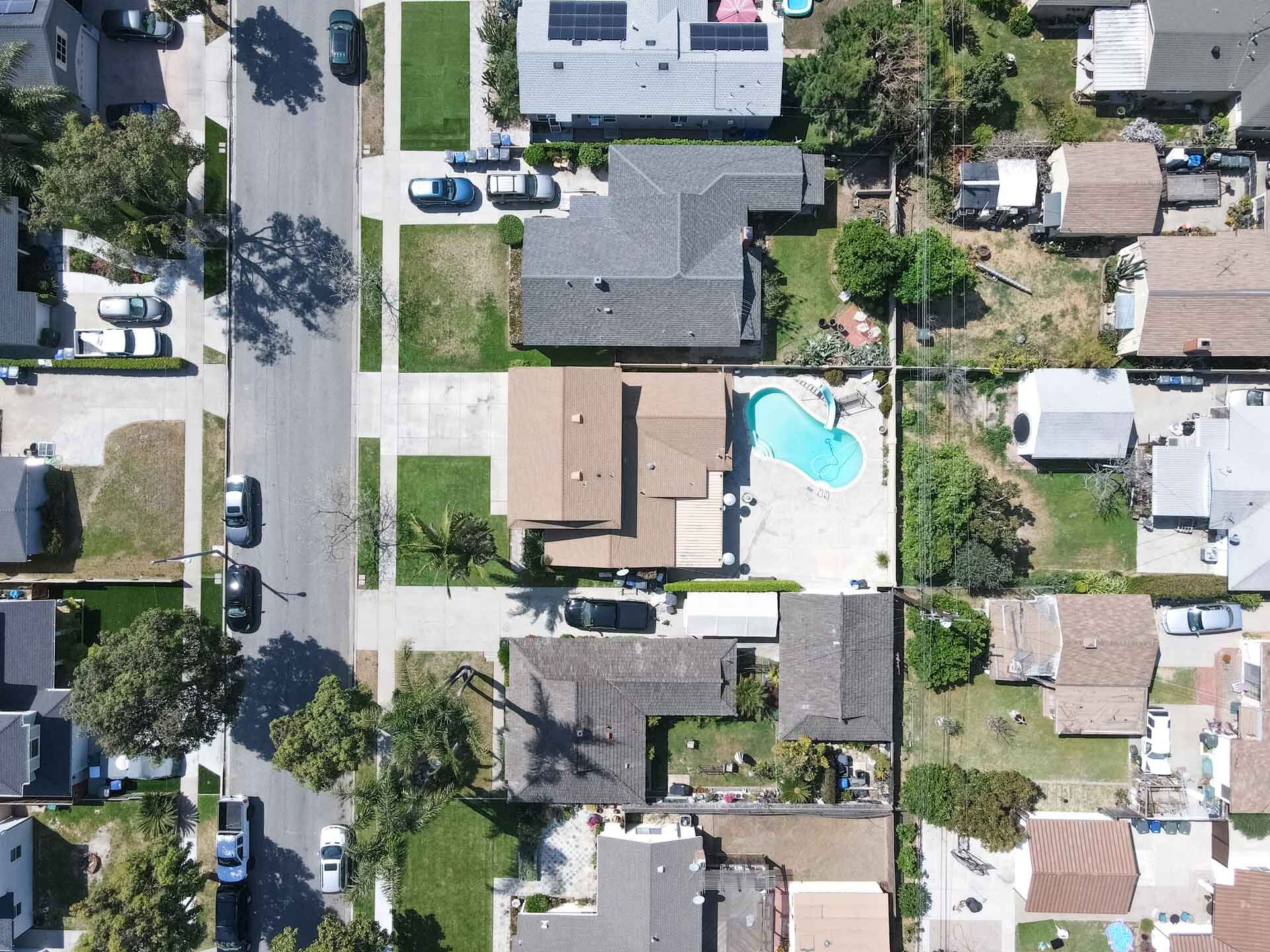
    aerial view of houses in neighborhood

  • What Is a Short Sale? Complete Guide for Homeowners in Essex County New Jersey

    A short sale is a real estate transaction in which a homeowner sells their property for less than the amount owed on the mortgage, with the lender’s permission. Short sales typically occur when a homeowner experiences financial hardship and can no longer keep up with mortgage payments. Rather than allowing the home to go through foreclosure, the lender may agree to accept a reduced payoff in order to resolve the debt. Understanding how short sales work, what the process involves, and the potential risks is important for anyone considering buying or selling a home under these circumstances.

    Short Sale Explained

    What Is a Short Sale in Real Estate?

    In a traditional home sale, the seller receives enough money from the buyer to fully pay off the mortgage balance and any closing costs. In a short sale, however, the property is sold for less than the total amount owed to the lender.

    For example, if a homeowner owes $400,000 on their mortgage but the market value of the home is only $350,000, the lender may agree to allow the property to be sold for $350,000. The lender then decides how to handle the remaining $50,000 balance. In some cases the lender forgives the deficiency, while in other cases the seller may be required to repay part of the difference.

    Because the lender is taking a financial loss, their approval is required before the sale can be completed. This additional layer of approval is what makes short sales more complicated than traditional real estate transactions.

    Why Do Short Sales Happen?

    Short sales usually occur when homeowners face significant financial hardship and are unable to continue making mortgage payments. Common situations that can lead to a short sale include job loss, major medical expenses, divorce, relocation, or unexpected financial setbacks.

    Sometimes declining property values also contribute to short sales. If a homeowner owes more on the mortgage than the home is worth, they may not be able to sell the property through a traditional sale without bringing money to closing. In these cases, a short sale may provide a solution that allows the homeowner to exit the property while avoiding foreclosure. Lenders may also prefer short sales because foreclosures are expensive and time-consuming. By approving a short sale, the lender can recover a portion of the loan balance more quickly and avoid the legal costs associated with foreclosure proceedings.

    The Short Sale Process Step by Step

    Short sales involve multiple parties and require lender approval, which means the process typically takes longer than a standard home sale. The following steps outline how most short sale transactions work.

    Financial Hardship Documentation

    The process begins when the homeowner contacts the lender and explains their financial hardship. The lender will typically require documentation showing that the homeowner can no longer afford the mortgage payments. This documentation often includes a hardship letter, bank statements, tax returns, pay stubs, and a financial statement outlining income, expenses, and assets. The lender reviews this information to determine whether the homeowner qualifies for short sale consideration.

    Listing the Property for Sale

    Once the lender agrees to consider a short sale, the homeowner works with a real estate agent to list the property on the market. The listing typically states that the sale is subject to lender approval, which alerts potential buyers that additional time may be required for the transaction. Pricing the property correctly is important. If the home is priced too high, it may not attract buyers. If it is priced appropriately for current market conditions, the seller has a better chance of receiving offers that the lender may approve.

    Receiving and Accepting an Offer

    When a buyer submits an offer on a short sale property, the homeowner can accept the offer, but the transaction cannot move forward until the lender reviews and approves it. The accepted offer, along with the seller’s financial documentation and a short sale package, is submitted to the lender. This package often includes the purchase contract, listing agreement, estimated closing statement, and proof of the property’s market value.

    Lender Review and Approval

    The lender carefully evaluates the offer and the homeowner’s financial situation before making a decision. In many cases the lender will order a broker price opinion (BPO) or appraisal to confirm the property’s market value. If the lender determines that the offer is reasonable and that a short sale is preferable to foreclosure, they may approve the transaction. Sometimes the lender will negotiate the price or request additional terms before granting approval.

    Because lenders often manage large numbers of distressed properties, this review process can take several weeks or even months.

    Closing the Short Sale Transaction

    Once the lender approves the short sale, the transaction proceeds similarly to a traditional real estate closing. The buyer completes inspections, final financing approval, and other standard steps.

    At closing, the property is transferred to the buyer and the lender receives the agreed-upon payoff amount. The lender then determines how the remaining debt will be handled. In some cases the lender forgives the remaining balance, while in others the homeowner may sign a repayment agreement or promissory note for part of the deficiency.

    Advantages of Short Sales for Homeowners

    For homeowners facing financial hardship, a short sale may offer several advantages compared to foreclosure. One major benefit is reduced credit damage. While a short sale still impacts credit, the effect is generally less severe than a foreclosure. Short sales may also allow homeowners to move on from an unaffordable mortgage more quickly and with less legal stress. In addition, lenders sometimes waive the remaining deficiency balance, which can eliminate a large portion of the homeowner’s debt.

    Advantages and Risks for Buyers

    For buyers, short sales can present an opportunity to purchase a property at a competitive price. Because lenders are motivated to recover as much of the loan balance as possible, they may accept offers that reflect current market value or slightly below. However, buyers should also be aware of the challenges associated with short sales. The approval process can take longer than a typical transaction, and there is always a possibility that the lender may reject the offer. Properties sold as short sales are often sold “as-is,” meaning the buyer may need to handle repairs after closing.

    Because of these factors, working with an experienced real estate professional is important when navigating a short sale transaction.

    Short Sales in New Jersey Real Estate

    In markets like New Jersey, short sales still occur when homeowners face financial difficulties or when property values fluctuate. While they are less common than during the housing crisis, they remain an option for distressed homeowners and an opportunity for investors or buyers willing to navigate a more complex process.

    New Jersey also has specific legal and foreclosure procedures that can influence how short sales are negotiated and approved. Real estate agents and attorneys familiar with the local market can help ensure the transaction is handled properly and efficiently.

    Final Thoughts on Short Sales

    A short sale is a specialized real estate transaction that allows a property to be sold for less than the outstanding mortgage balance with the lender’s approval. While the process involves additional steps and coordination between the homeowner, buyer, and lender, it can provide a practical solution when financial hardship makes it impossible to keep a home.

    For sellers, a short sale may offer a path to avoid foreclosure and minimize long-term financial damage. For buyers, it can create opportunities to purchase property at attractive prices, provided they are prepared for a longer and more detailed transaction process.

    Understanding how short sales work, the timeline involved, and the role of lender approval is essential for anyone considering this type of real estate transaction.

  • 5 Most Common Real Estate Scams in New Jersey (And How to Avoid Them)

    Real estate is one of the largest financial decisions you will ever make. Whether you’re buying your first home, selling a long-time family property, investing in rental real estate, or facing financial hardship, the stakes are high. Unfortunately, where there is significant money involved, there are also scammers looking for opportunity. Real estate fraud is increasing across the country, and New Jersey is no exception. The good news is that most scams can be avoided with awareness, verification habits, and the right professional guidance. Let’s examine some of the most common scams and how to avoid them.

    Read more: 5 Most Common Real Estate Scams in New Jersey (And How to Avoid Them)
    5 Most Common Real Estate Scams to Avoid!

    #1 . One of the most dangerous real estate scams is wire fraud. In a typical New Jersey closing, buyers wire large sums of money to a title company or closing attorney. Scammers know this. They hack into email accounts or create nearly identical spoof email addresses and wait until just before closing to send “updated” wire instructions. The message looks legitimate, often including accurate logos, professional language, and realistic timing. Buyers wire the funds, believing they are sending money to the correct title company. Within minutes, the funds are withdrawn and transferred, often overseas. Recovery becomes extremely difficult. The FBI tracks these crimes through its Internet Crime Complaint Center (IC3), and you can review reporting procedures at https://www.ic3.gov. The New Jersey State Police also provide cybercrime reporting resources at https://www.nj.gov/njsp/division/investigations/cyber-crimes.shtml. The single most important protection is simple: never rely solely on emailed wire instructions. Always call your title company or attorney using a verified phone number from their official website, not the number listed in the suspicious email. Confirm instructions verbally before sending any funds.

    #2. Rental scams are also increasingly common, particularly in competitive markets like Newark, Montclair, and Essex County as well as surrounding areas. In this scam, someone copies photos from a legitimate listing—often from Zillow or Realtor.com—and reposts the property at a below-market rent on Craigslist or Facebook Marketplace. The “owner” claims to be traveling or relocating and requests a deposit or first month’s rent to hold the unit. Once payment is sent, the scammer disappears. You can verify property ownership in New Jersey through your county clerk’s office. For example, Bergen County property records are searchable at https://www.bergencountyclerk.org, and Hudson County records are available at https://www.hudsoncountyclerk.org. Always tour the property in person, confirm ownership, and never send money before physically verifying the rental. If something seems priced well below market value in a strong rental town like Hoboken or Fort Lee, that is a major red flag.

    #3. Foreclosure relief scams specifically target homeowners who are behind on their mortgage payments. In New Jersey, foreclosure filings are public record, which unfortunately makes distressed homeowners visible to scammers. These companies promise guaranteed loan modifications, foreclosure postponement, or even complete debt elimination. They request upfront fees and sometimes ask homeowners to sign over title “temporarily.” In many cases, they do nothing or strip equity from the property. Under federal law, legitimate foreclosure assistance providers cannot charge upfront fees for loan modification services. If you are struggling with payments, contact your lender directly or speak with a HUD-approved housing counselor. The U.S. Department of Housing and Urban Development provides a New Jersey-specific counselor search tool at https://www.hud.gov/states/new_jersey/homeownership/hsgc. The New Jersey Judiciary also offers foreclosure information and assistance resources at https://www.njcourts.gov/self-help/foreclosure. Never pay upfront fees to someone promising to “save” your home.

    #4. Another lesser-known but increasingly problematic scam involves long-term listing agreement traps. A company offers a homeowner a small lump sum of cash upfront in exchange for signing a contract that obligates them to use that company as their listing agent in the future. The agreement may last 20 to 40 years and may attach to the property itself, not just the homeowner. The commission rates are often above market, and cancellation fees can be enormous. When the homeowner later attempts to sell with another agent, they may be threatened with legal action. The New Jersey Real Estate Commission regulates licensed agents and provides consumer information at https://www.njconsumeraffairs.gov/rec. Before signing any listing agreement—especially one offering upfront cash—have a real estate attorney review it. In New Jersey, real estate contracts typically include a three-day attorney review period, which is an important consumer protection mechanism. Use it.

    #5. Title and deed fraud is another growing issue nationwide. In this scam, criminals file fraudulent deeds with the county clerk, transferring ownership into their name or an LLC they control. They may then attempt to sell the property or take out loans against it. Vacant properties, rental properties, and homes owned by elderly individuals are common targets. New Jersey counties allow public record searches through their clerk’s offices, and some counties provide property fraud alert systems. For example, Essex County offers a free Property Fraud Alert program at https://www.essexclerk.com/property-fraud-alert. Monitoring your property records periodically is a smart preventative step, especially if you own investment properties.

    If you are ever unsure about wire instructions, rental listings, foreclosure offers, listing agreements, or investment opportunities, pause before taking action. Make a phone call. Verify records. Consult a trusted real estate professional or attorney. A few extra minutes of diligence can protect years of savings.

    New Jersey residents who suspect fraud can also report concerns to the New Jersey Division of Consumer Affairs at https://www.njconsumeraffairs.gov/Pages/File-a-Complaint.aspx. Early reporting can sometimes limit damage and may help protect others.

    Scammers are getting more sophisticated, but informed consumers who verify before they act remain far more difficult targets.