Real estate is one of the largest financial decisions you will ever make. Whether you’re buying your first home, selling a long-time family property, investing in rental real estate, or facing financial hardship, the stakes are high. Unfortunately, where there is significant money involved, there are also scammers looking for opportunity. Real estate fraud is increasing across the country, and New Jersey is no exception. The good news is that most scams can be avoided with awareness, verification habits, and the right professional guidance. Let’s examine some of the most common scams and how to avoid them.
Read more: 5 MOST COMMON REAL ESTATE SCAMS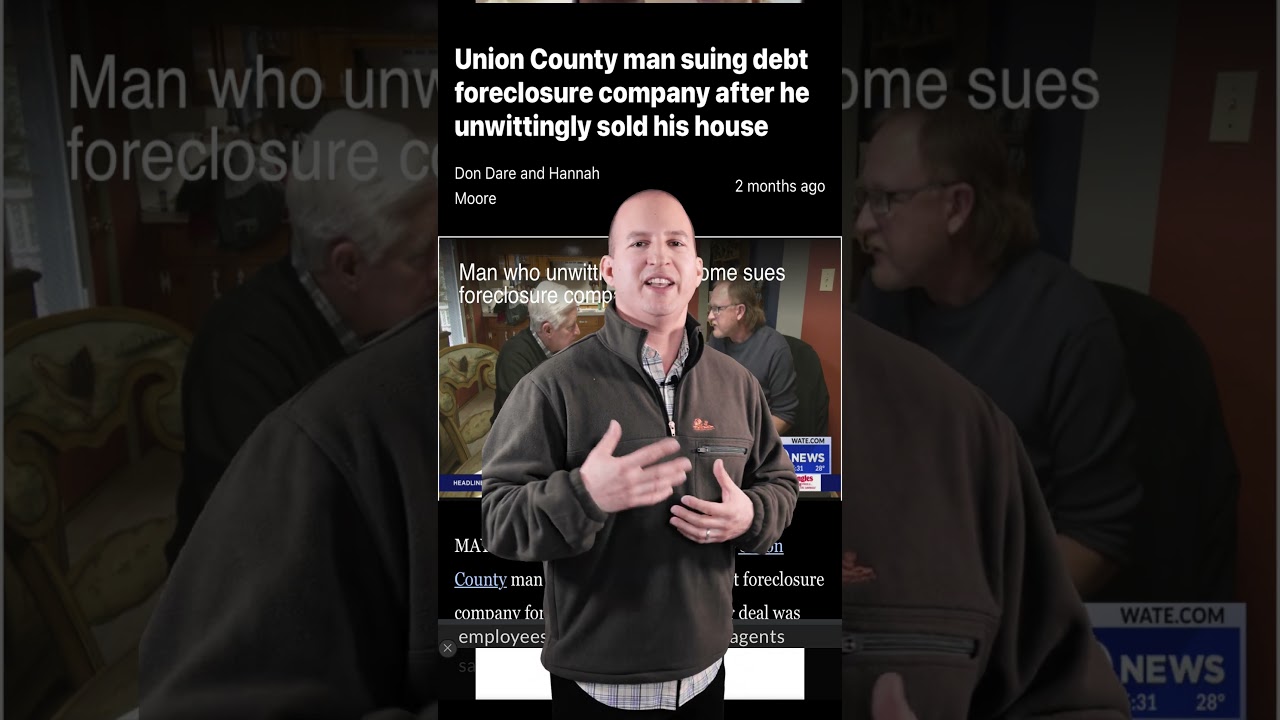
#1 . One of the most dangerous real estate scams is wire fraud. In a typical New Jersey closing, buyers wire large sums of money to a title company or closing attorney. Scammers know this. They hack into email accounts or create nearly identical spoof email addresses and wait until just before closing to send “updated” wire instructions. The message looks legitimate, often including accurate logos, professional language, and realistic timing. Buyers wire the funds, believing they are sending money to the correct title company. Within minutes, the funds are withdrawn and transferred, often overseas. Recovery becomes extremely difficult. The FBI tracks these crimes through its Internet Crime Complaint Center (IC3), and you can review reporting procedures at https://www.ic3.gov. The New Jersey State Police also provide cybercrime reporting resources at https://www.nj.gov/njsp/division/investigations/cyber-crimes.shtml. The single most important protection is simple: never rely solely on emailed wire instructions. Always call your title company or attorney using a verified phone number from their official website, not the number listed in the suspicious email. Confirm instructions verbally before sending any funds.
#2. Rental scams are also increasingly common, particularly in competitive markets like Newark, Montclair, and Essex County as well as surrounding areas. In this scam, someone copies photos from a legitimate listing—often from Zillow or Realtor.com—and reposts the property at a below-market rent on Craigslist or Facebook Marketplace. The “owner” claims to be traveling or relocating and requests a deposit or first month’s rent to hold the unit. Once payment is sent, the scammer disappears. You can verify property ownership in New Jersey through your county clerk’s office. For example, Bergen County property records are searchable at https://www.bergencountyclerk.org, and Hudson County records are available at https://www.hudsoncountyclerk.org. Always tour the property in person, confirm ownership, and never send money before physically verifying the rental. If something seems priced well below market value in a strong rental town like Hoboken or Fort Lee, that is a major red flag.
#3. Foreclosure relief scams specifically target homeowners who are behind on their mortgage payments. In New Jersey, foreclosure filings are public record, which unfortunately makes distressed homeowners visible to scammers. These companies promise guaranteed loan modifications, foreclosure postponement, or even complete debt elimination. They request upfront fees and sometimes ask homeowners to sign over title “temporarily.” In many cases, they do nothing or strip equity from the property. Under federal law, legitimate foreclosure assistance providers cannot charge upfront fees for loan modification services. If you are struggling with payments, contact your lender directly or speak with a HUD-approved housing counselor. The U.S. Department of Housing and Urban Development provides a New Jersey-specific counselor search tool at https://www.hud.gov/states/new_jersey/homeownership/hsgc. The New Jersey Judiciary also offers foreclosure information and assistance resources at https://www.njcourts.gov/self-help/foreclosure. Never pay upfront fees to someone promising to “save” your home.
#4. Another lesser-known but increasingly problematic scam involves long-term listing agreement traps. A company offers a homeowner a small lump sum of cash upfront in exchange for signing a contract that obligates them to use that company as their listing agent in the future. The agreement may last 20 to 40 years and may attach to the property itself, not just the homeowner. The commission rates are often above market, and cancellation fees can be enormous. When the homeowner later attempts to sell with another agent, they may be threatened with legal action. The New Jersey Real Estate Commission regulates licensed agents and provides consumer information at https://www.njconsumeraffairs.gov/rec. Before signing any listing agreement—especially one offering upfront cash—have a real estate attorney review it. In New Jersey, real estate contracts typically include a three-day attorney review period, which is an important consumer protection mechanism. Use it.
#5. Title and deed fraud is another growing issue nationwide. In this scam, criminals file fraudulent deeds with the county clerk, transferring ownership into their name or an LLC they control. They may then attempt to sell the property or take out loans against it. Vacant properties, rental properties, and homes owned by elderly individuals are common targets. New Jersey counties allow public record searches through their clerk’s offices, and some counties provide property fraud alert systems. For example, Essex County offers a free Property Fraud Alert program at https://www.essexclerk.com/property-fraud-alert. Monitoring your property records periodically is a smart preventative step, especially if you own investment properties.
If you are ever unsure about wire instructions, rental listings, foreclosure offers, listing agreements, or investment opportunities, pause before taking action. Make a phone call. Verify records. Consult a trusted real estate professional or attorney. A few extra minutes of diligence can protect years of savings.
New Jersey residents who suspect fraud can also report concerns to the New Jersey Division of Consumer Affairs at https://www.njconsumeraffairs.gov/Pages/File-a-Complaint.aspx. Early reporting can sometimes limit damage and may help protect others.
Scammers are getting more sophisticated, but informed consumers who verify before they act remain far more difficult targets.